How Junk Removal Works: Step-by-Step Process
People seeking junk removal typically want to clear clutter easily, and local service providers can handle the process efficiently for a clean, clutter-free space.
Understanding how junk removal works: step-by-step process can help property owners feel more confident when planning to clear out unwanted items. Whether tackling a home renovation, decluttering a commercial space, or preparing a property for sale, knowing what to expect makes the process smoother. Local contractors specializing in junk removal are equipped to handle a wide range of situations, providing practical solutions to efficiently clear away debris and unwanted belongings. Keeping reading can help clarify the typical stages involved and highlight how these professionals can assist in making the task manageable and straightforward.
Exploring this topic is especially useful for property owners who want to save time and effort or ensure the job is done safely and responsibly. By understanding the general steps involved, individuals can better coordinate with local service providers to suit their specific needs. Many local pros offer comprehensive junk removal services that handle everything from sorting to hauling, making it easier to achieve a clutter-free space. Continuing to read can provide helpful insights into how these services work and how they can support property owners in maintaining clean, organized environments.
- Furniture removal - when replacing or decluttering furniture, local contractors can efficiently dismantle and haul away large items.
- Appliance disposal - for outdated or broken appliances, service providers handle proper removal and disposal methods.
- Construction debris removal - after renovations or remodeling, local pros clear away debris to restore a clean space.
- Garage cleanouts - when clearing out clutter from a garage, professionals can quickly sort and remove unwanted items.
- Estate cleanouts - during estate clearances, service providers assist with the organized removal of furniture, appliances, and other belongings.
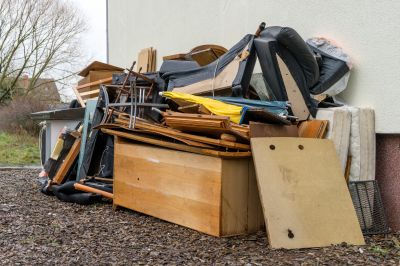
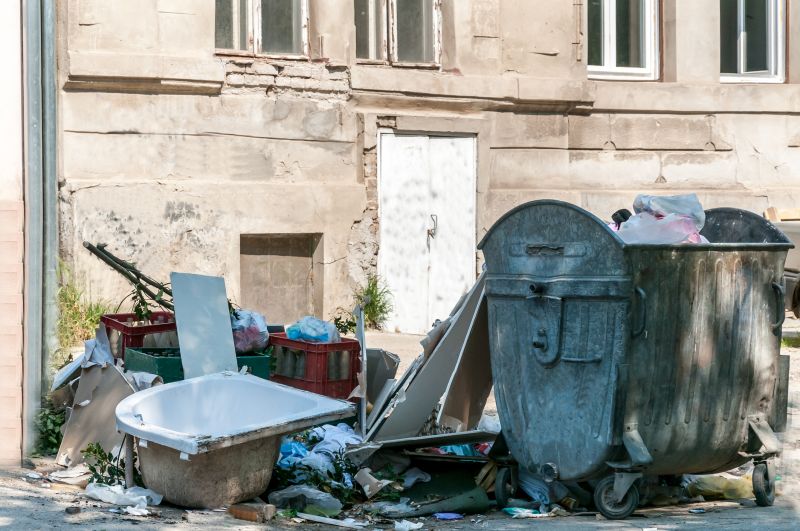
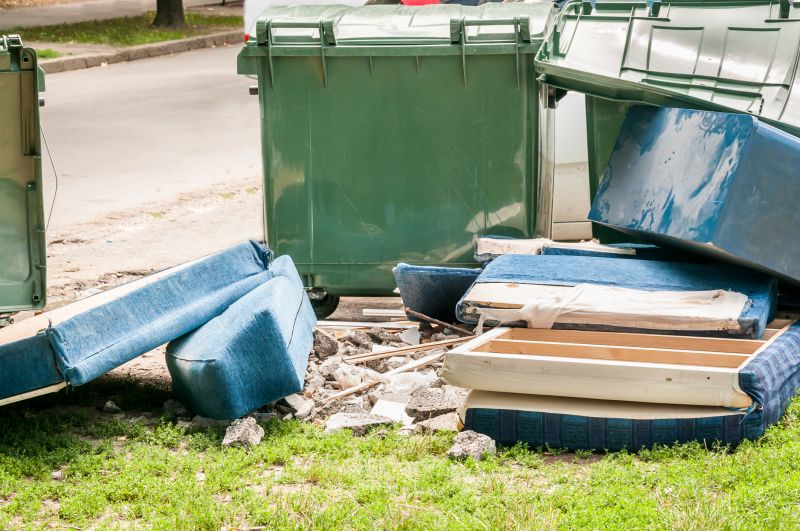
When people search for how junk removal works: step-by-step process, they are often trying to understand what to expect when hiring a professional service to clear out unwanted items. This topic typically relates to projects involving decluttering, home renovations, estate cleanouts, or preparing a property for sale or renovation. Homeowners may have accumulated furniture, appliances, construction debris, or general clutter that needs to be removed efficiently and safely. Understanding the process helps them plan their project, choose the right service provider, and ensure the removal work aligns with their needs.
Junk removal services are frequently sought for a variety of problems and plans, including clearing out clutter from a garage or basement, removing old appliances or furniture, or disposing of construction debris after a renovation. These services are also useful for estate cleanouts or when downsizing. The process typically involves assessing the scope of the project, scheduling a pickup, and having professionals handle the heavy lifting and disposal. Knowing how the process unfolds can help homeowners coordinate their projects and ensure the removal fits into their overall timeline.
The types of properties that commonly come up in junk removal projects include residential homes, apartments, condos, and small commercial buildings. In residential settings, junk removal often involves single-family homes or multi-unit complexes where accumulated household items or renovation debris need to be cleared. Commercial properties might include small offices or retail spaces that require cleanup after renovations or tenant turnover. Regardless of the property type, local service providers can adapt their approach to suit the specific needs of each project, ensuring efficient removal of unwanted items and debris.
Understanding how junk removal works: step-by-step process is essential for homeowners planning a cleanup or renovation project. It involves initial assessment, scheduling, collection, and proper disposal or recycling of items. Local contractors or service providers play a key role in managing these steps, providing the necessary manpower and equipment to handle different types of property and debris. By connecting with experienced professionals, homeowners can ensure their project proceeds smoothly, with unwanted items removed safely and efficiently, helping to create a cleaner, more organized space.
Appliance Disposal - local contractors can handle the removal and proper disposal of large appliances, which requires planning and specialized tools similar to junk removal processes.
Estate Cleanouts - estate cleanout projects involve clearing out entire properties, requiring organization, heavy lifting, and efficient debris removal comparable to junk removal steps.
Construction Debris Removal - removing leftover construction materials involves planning, sorting, and hauling waste, aligning with the skills used in junk removal services.
Furniture Removal - professional furniture removal requires careful handling, disassembly, and transport, similar to the steps involved in clearing clutter or unwanted items.
Yard Waste Removal - clearing yard debris involves planning, sorting, and hauling organic waste, which shares processes with general junk removal tasks.
Storage Unit Cleanouts - emptying storage units involves sorting through items, organizing, and removing unwanted belongings, paralleling the step-by-step process of junk removal services.
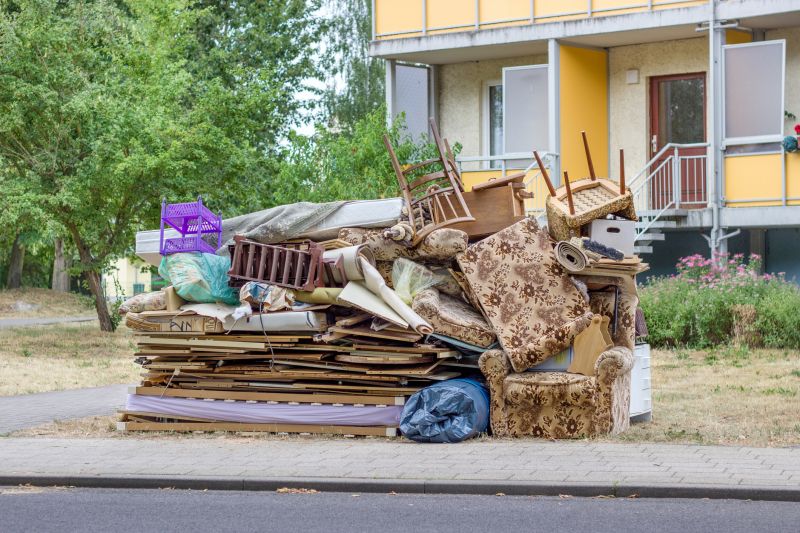
When comparing junk removal services, it’s important to consider the experience of local contractors with similar projects. Homeowners should seek out providers who have a proven track record of handling the specific types of items or debris involved in the job. A contractor’s familiarity with different removal scenarios can contribute to a smoother process and help ensure that the work is completed efficiently and thoroughly. Asking for references or examples of past projects can provide insight into their expertise and reliability, giving homeowners a clearer picture of what to expect.
Clear written expectations are essential when evaluating potential service providers. Homeowners should look for contractors who provide detailed descriptions of their services, including what is included and any limitations. Having this information in writing helps prevent misunderstandings and sets a transparent foundation for the project. It’s also beneficial to clarify how the removal process will be managed, what the homeowner’s responsibilities are, and how the contractor plans to handle disposal or recycling, ensuring everyone is aligned from the start.
Good communication and reputable references play a key role in choosing the right local contractors. Reliable service providers are typically responsive, willing to answer questions, and transparent about their procedures. Homeowners should seek out contractors who can provide trustworthy references or reviews, indicating a history of satisfied clients. Open dialogue throughout the process can help address concerns early, facilitate smooth coordination, and foster confidence that the project will be managed professionally. Prioritizing these qualities can lead to a more positive experience when navigating how junk removal services operate.
Property owners often search for how junk removal works: step-by-step process when they are planning practical projects around their homes and businesses. Local pros provide Junk Removal services for everyday jobs and straightforward project options.
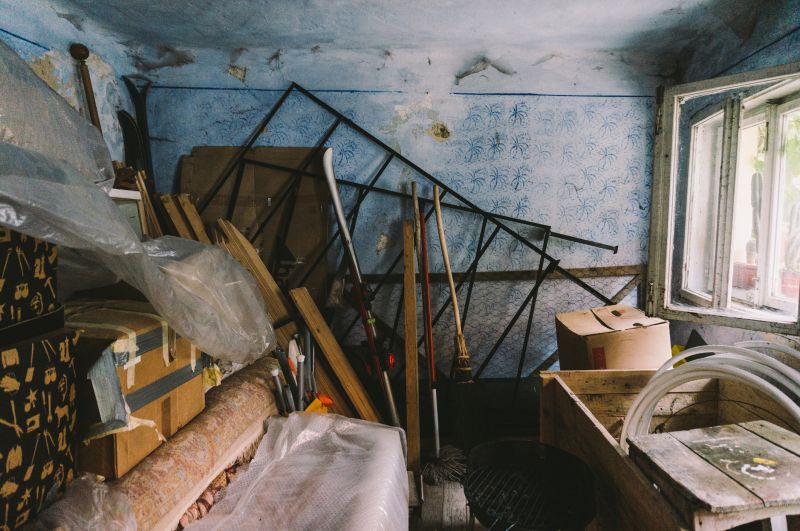
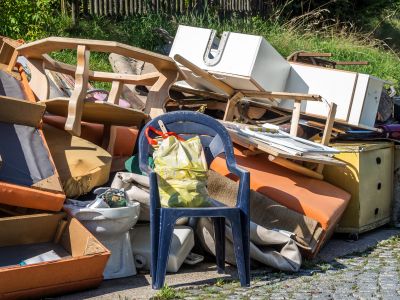
Many property owners turn to junk removal services when faced with clutter from home renovation projects, estate cleanouts, or simply clearing out unwanted items from garages and basements. These everyday situations often lead individuals to seek out local contractors who can efficiently handle the disposal process. Understanding how junk removal works: step-by-step process can help property owners prepare for the service, ensuring the job is straightforward and hassle-free. Typically, it begins with a consultation where the service provider assesses the scope of the work, followed by scheduling a pickup appointment. On the day of the removal, the pros arrive ready to load and haul away the items, leaving the property clean and clear.
For many, the appeal of professional junk removal lies in its convenience and efficiency. Once the items are collected, the service providers sort and dispose of the debris according to local regulations, often recycling or donating reusable items when possible. Property owners appreciate that this process saves time and effort, especially when dealing with large or heavy loads. Whether clearing out a cluttered basement or removing construction debris after a renovation, local service providers are equipped to handle a variety of projects through this simple, step-by-step process. This helps property owners maintain a tidy space without the physical strain or logistical challenges of managing junk removal independently.
What is the typical process for junk removal services? The process usually involves scheduling a pickup, the removal of unwanted items by service providers, and the disposal or recycling of debris, with local contractors handling each step professionally.
How do local pros handle different types of junk during removal? Local contractors assess the items to determine the best disposal method, whether recycling, donating, or trashing, to ensure efficient and responsible junk removal.
What should I do to prepare for junk removal? Typically, it’s helpful to clear pathways and organize items so that service providers can access and remove the junk safely and efficiently.
Are there restrictions on what can be removed? Yes, certain hazardous or restricted items may not be accepted; local service providers can advise on what is suitable for removal and disposal.
How do local pros ensure the junk removal process is smooth? They coordinate the pickup, handle the loading, and ensure proper disposal, making the process straightforward for homeowners or businesses.
Assessing the junk removal project - property owners can identify the types and amounts of items to be removed to help local contractors plan the job effectively.
Preparing the space for removal - clearing pathways and organizing belongings makes it easier for local service providers to access and remove debris safely.
Scheduling the removal service - property owners can choose a convenient time for local pros to arrive and perform the junk removal without disruptions.
Final cleanup and disposal - after removal, local contractors typically handle the cleanup and proper disposal of all items, leaving the space ready to use.
If you are thinking about how junk removal works: step-by-step process for a property, this guide is meant to help you understand this topic, the typical project types, and how different options might fit your plans.
When you are ready, you can use the quote form on this page to share a few details about your project. From there, local pros can review the basics and follow up with options that match what you have in mind.