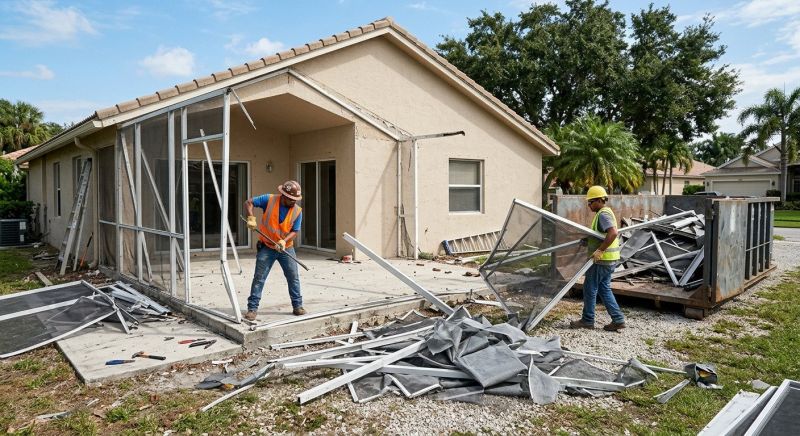
Lanai Removal in Bergen County, NJ
Lanai removal services involve the safe and efficient dismantling or complete removal of existing lanais, porches, or covered outdoor spaces on residential properties. These projects typically include taking down structures such as screened-in porches, sunrooms, or enclosed patios, often to create more open space or prepare for new construction. Property owners usually seek this service when they want to remove outdated or damaged lanais, repurpose the area for other uses, or update the exterior appearance of their homes.
Before requesting lanai removal, property owners should consider the structural elements involved, including the type of materials used and any attached utilities or fixtures. It’s also important to understand local building codes and regulations that may impact the removal process. Clarifying the scope of work, including whether foundation work or debris removal is included, can help ensure the project meets expectations and aligns with property renovation plans.
Many property owners in Bergen County, NJ look into Lanai Removal for repairs, replacements, upgrades, and appearance-related improvements.
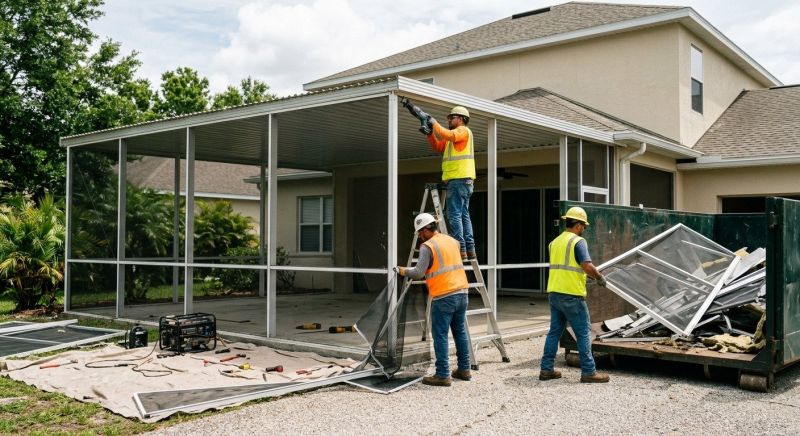
Reasons For Lanai Removal
Homeowners may choose to remove a lanai to create more outdoor space or improve property aesthetics.
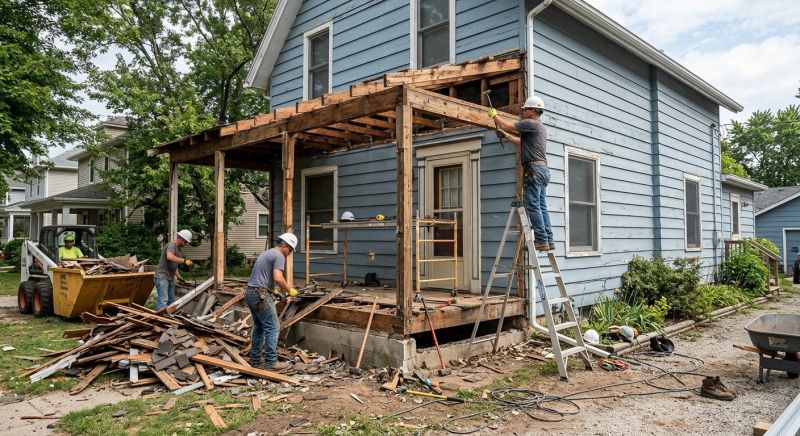
Preparation For Removal
Proper planning ensures safe and efficient removal of existing lanai structures on residential properties.
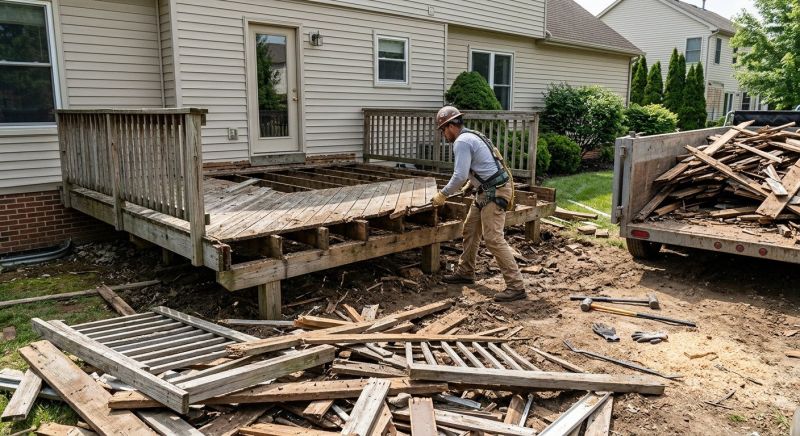
Post-Removal Options
After lanai removal, property owners can consider new landscaping, patio installation, or other outdoor improvements.
Lanai Removal in Bergen County, NJ
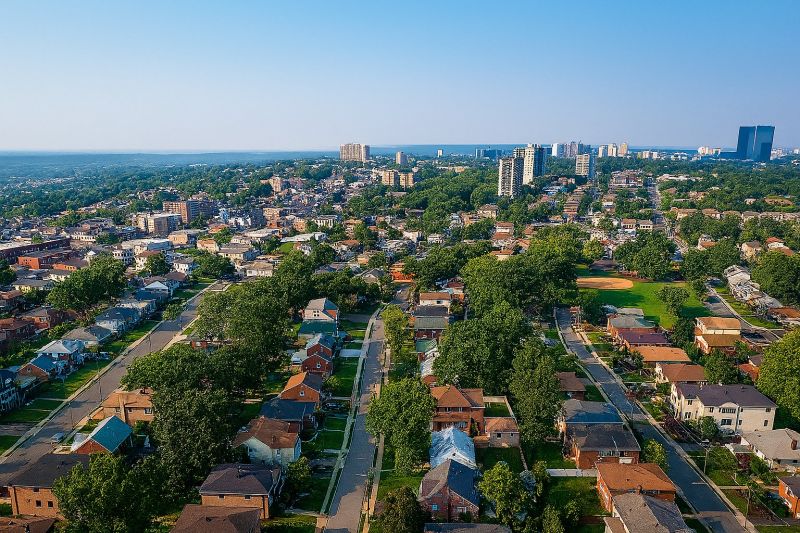
Lanai removal services involve the safe and efficient dismantling or complete removal of existing lanais, porches, or covered outdoor spaces on residential properties. These projects typically include taking down structures such as screened-in porches, sunrooms, or enclosed patios, often to create more open space or prepare for new construction. Property owners usually seek this service when they want to remove outdated or damaged lanais, repurpose the area for other uses, or update the exterior appearance of their homes.
Before requesting lanai removal, property owners should consider the structural elements involved, including the type of materials used and any attached utilities or fixtures. It’s also important to understand local building codes and regulations that may impact the removal process. Clarifying the scope of work, including whether foundation work or debris removal is included, can help ensure the project meets expectations and aligns with property renovation plans.
Many property owners in Bergen County, NJ look into Lanai Removal for repairs, replacements, upgrades, and appearance-related improvements.
Common Lanai Removal Jobs
Lanai removal involves safely dismantling and clearing existing outdoor patios or decks.
Lanai demolition includes tearing down structures to prepare for new landscaping or construction.
Lanai deconstruction focuses on carefully taking apart structures to minimize property disruption.
Lanai clearing involves removing debris and materials after a structure has been taken down.
Lanai disposal ensures proper disposal of old materials and construction waste.
Lanai renovation prep involves removing existing features to create space for upgrades or new designs.
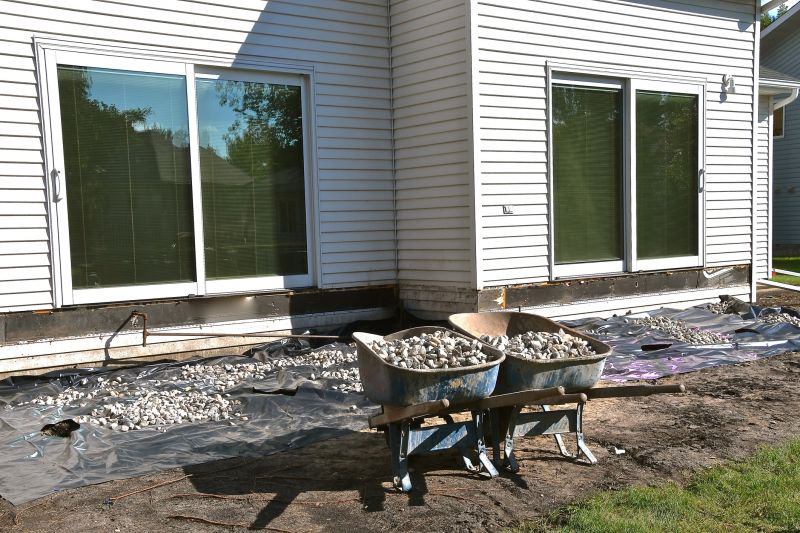
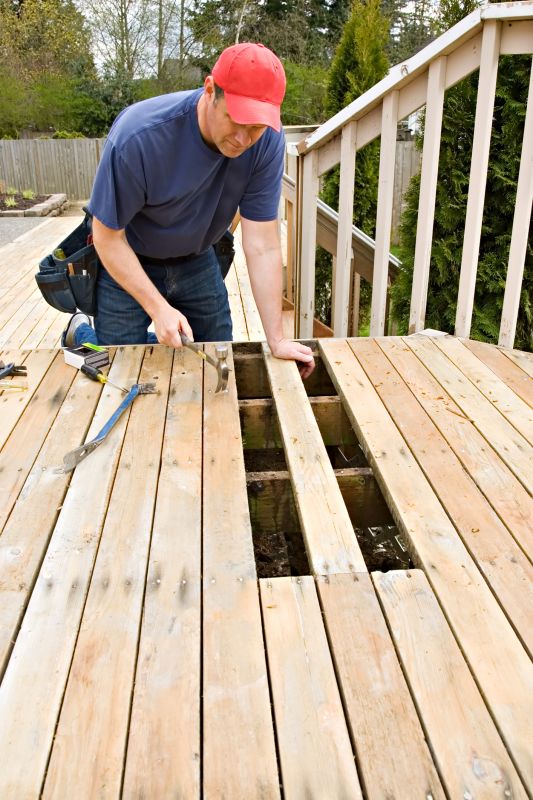
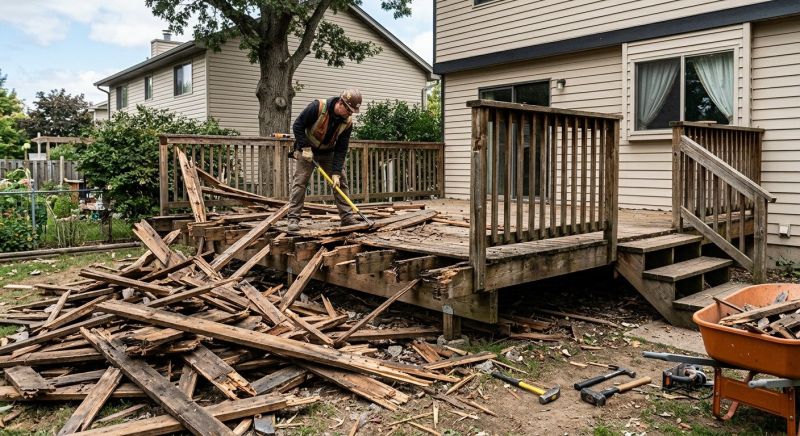
Lanai Removal Questions
What is lanai removal? Lanai removal involves taking down a screened porch or enclosed outdoor space to clear the area for other uses or renovations.
Why might property owners request lanai removal? It is often requested to expand outdoor living areas, improve property appearance, or prepare for new construction projects.
What should be considered before removing a lanai? It’s important to evaluate the structural aspects, local regulations, and how removal will affect property value or layout.
How is lanai removal typically performed? The process generally includes dismantling the structure, safely disposing of materials, and restoring the surrounding area.
Request Lanai Removal in Bergen County, NJ
Use the quote form on this page to share the basics of your project and request more information for the type of work you need.