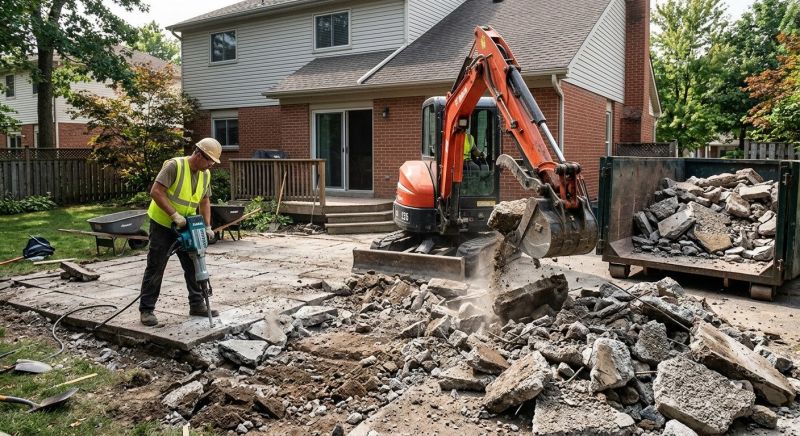
Patio Removal in Bergen County, NJ
Patio removal services involve the careful dismantling and disposal of existing outdoor paved areas, such as concrete, brick, or stone patios. These projects typically include clearing away old or damaged surfaces to prepare a property for new landscaping, renovations, or other outdoor improvements. Homeowners often seek patio removal when their current patio no longer meets their needs, has become unsafe, or when planning to replace it with a different type of outdoor space.
Before requesting patio removal, property owners should understand the scope of the work, including the type of material involved and the potential impact on surrounding landscaping or structures. It’s also helpful to consider whether any permits are required for the removal process and to evaluate the disposal or recycling options for the removed materials. Clear communication about these details can help ensure the project proceeds smoothly and aligns with the property’s overall outdoor plans.
Many property owners in Bergen County, NJ look into Patio Removal for repairs, replacements, upgrades, and appearance-related improvements.
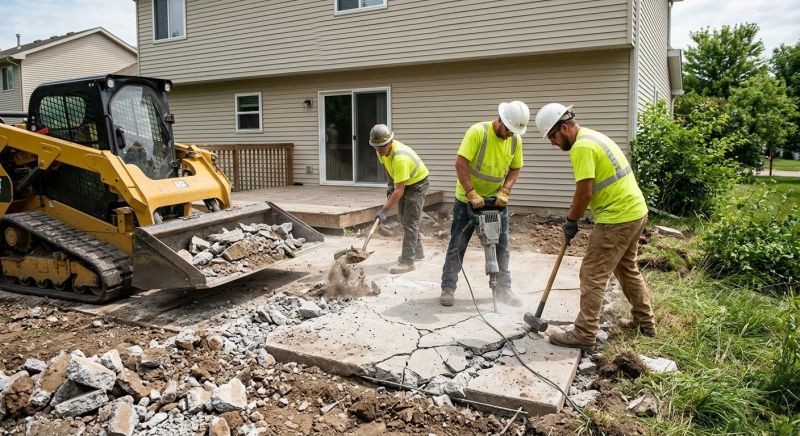
Reasons To Remove A Patio
Removing an outdated or damaged patio can improve safety and enhance outdoor space usability.
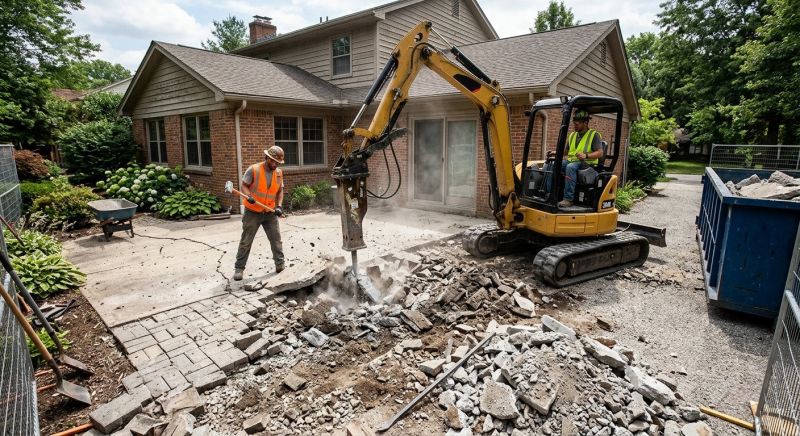
Types Of Patio Removal Projects
Services include complete demolition, partial removal, and preparation for new landscaping or paving.
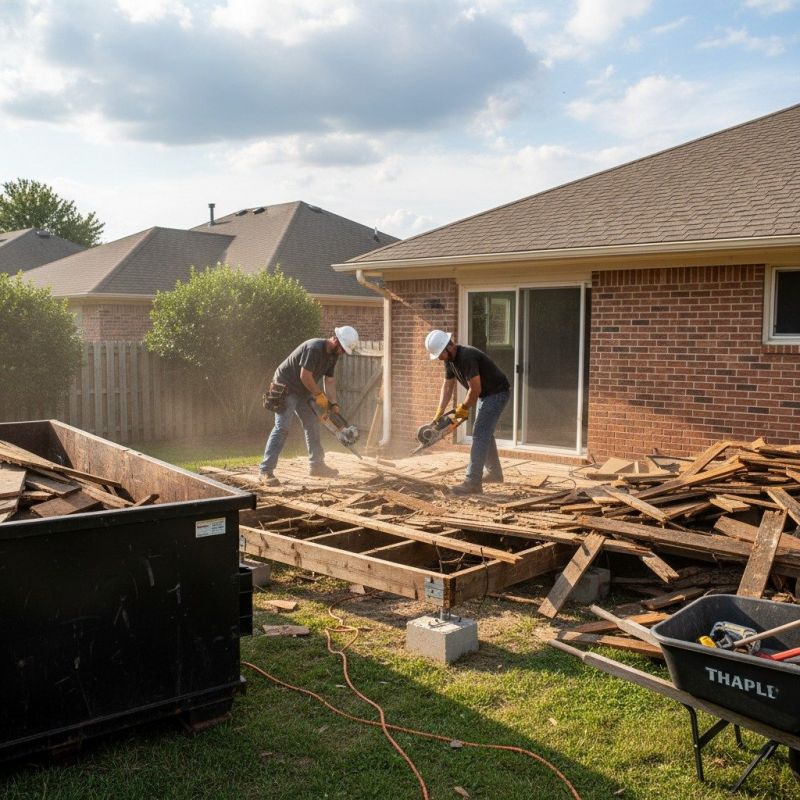
Considerations Before Removal
Property owners should evaluate soil stability, existing structures, and future landscaping plans before removal.
Patio Removal in Bergen County, NJ
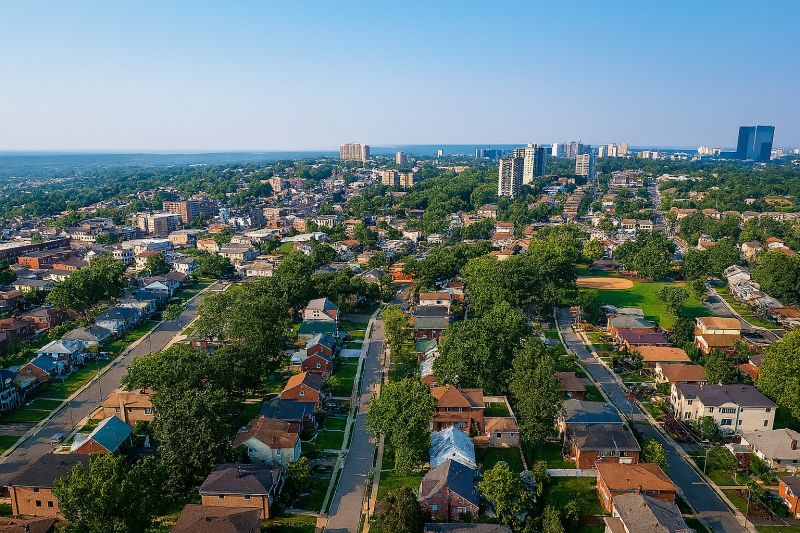
Patio removal services involve the careful dismantling and disposal of existing outdoor paved areas, such as concrete, brick, or stone patios. These projects typically include clearing away old or damaged surfaces to prepare a property for new landscaping, renovations, or other outdoor improvements. Homeowners often seek patio removal when their current patio no longer meets their needs, has become unsafe, or when planning to replace it with a different type of outdoor space.
Before requesting patio removal, property owners should understand the scope of the work, including the type of material involved and the potential impact on surrounding landscaping or structures. It’s also helpful to consider whether any permits are required for the removal process and to evaluate the disposal or recycling options for the removed materials. Clear communication about these details can help ensure the project proceeds smoothly and aligns with the property’s overall outdoor plans.
Many property owners in Bergen County, NJ look into Patio Removal for repairs, replacements, upgrades, and appearance-related improvements.
Common Patio Removal Jobs
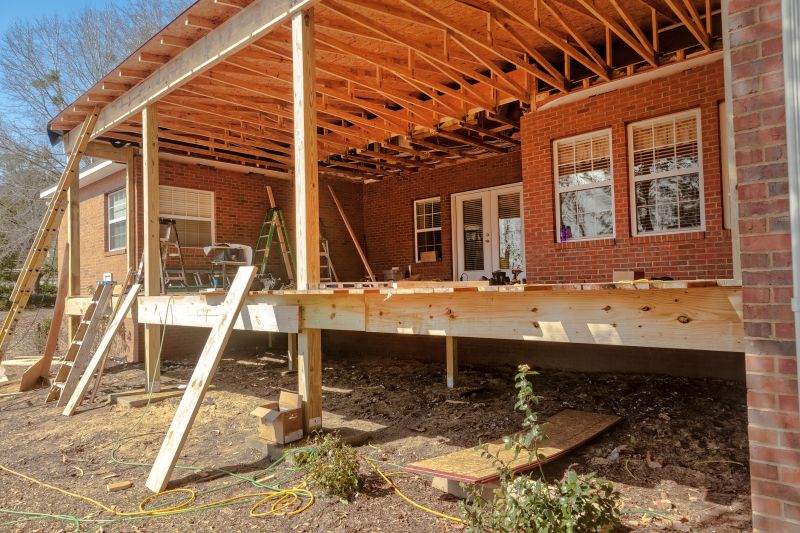
Patio Removal involves safely dismantling and clearing existing paved areas to prepare for new landscaping.
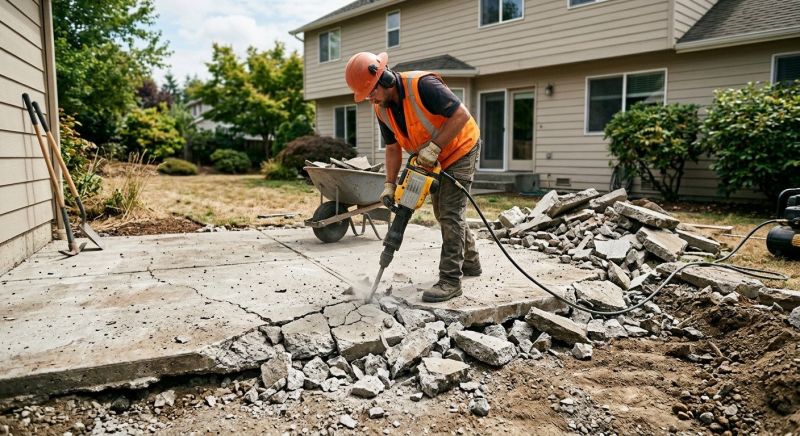
Concrete Patio Removal includes breaking up and hauling away concrete slabs for a fresh start.
Brick or Stone Patio Removal involves carefully removing brick or stone surfaces without damaging surrounding areas.
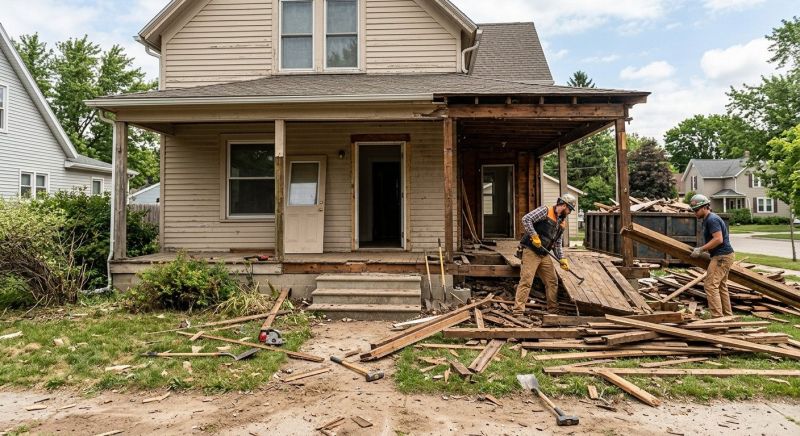
Old Patio Demolition addresses the complete teardown of outdated or damaged outdoor surfaces.
Yard Clearing removes debris, gravel, or pavers to create a clean space for future projects.
Site Preparation involves leveling and grading after patio removal to ensure a ready foundation for new installations.
Patio Removal Questions
What types of patios can be removed? Any concrete, paver, or stone patio can be taken out, regardless of size or shape.
Is patio removal suitable for different property types? Yes, services are available for residential yards, commercial spaces, and other property types requiring patio removal.
What should property owners consider before removal? It's important to evaluate underlying soil conditions and plan for debris disposal during the process.
Does patio removal involve any landscaping adjustments? Some projects may include leveling or preparing the area for new landscaping or surface installations.
Request Patio Removal in Bergen County, NJ
Use the quote form on this page to share the basics of your project and request more information for the type of work you need.